The Art and Craft of Commercial Voiceover: What Really Happens in the Booth
When a brand decides to speak directly to its audience, the voice that carries those words matters more than most people realize. Commercial voiceover is not just reading copy into a microphone. It is a performance craft that blends acting technique, technical precision, and deep understanding of the brand voice. I have spent years working in audio post-production, and I can tell you that the difference between a good take and a great one often comes down to what happens before the talent even opens their mouth.
Voice acting for commercials is a unique discipline. Unlike narration or animation, commercial copy is compressed. A thirty-second TV commercial might hold only seventy or eighty words. Every syllable has to earn its place. The VO artist must convey warmth, authority, humor, or urgency without the luxury of time. That is where the real skill lives.
The Voice Actor's Toolbox
A professional voice actor does not just show up and talk. They bring a set of skills that take years to develop. Breath control, pacing, and the ability to take direction instantly are all essential. But the most underrated skill might be microphone technique. Knowing how to work a Neumann U87 or a Sennheiser MKH 416 is not optional. Each microphone has a different pickup pattern and frequency response. The U87 is a large-diaphragm condenser that captures a rich, full sound, perfect for warm brand voices. The MKH 416 is a shotgun mic that rejects room noise, ideal for location work or when the booth is less than perfect.
I have watched talented actors lose gigs because they could not stay on axis with the mic or because they popped their plosives into the capsule. The best VO artists treat the microphone as a partner. They learn its sweet spot. They know when to back off for a loud read and when to lean in for intimacy. That kind of awareness separates the pros from the amateurs.
What Happens Before the Session
The director and the audio post-production team usually receive the commercial copy a day or two before the session. We mark up the script for emphasis, pace, and emotional arc. Commercial voiceover work often involves multiple versions: a :15, a :30, and maybe a :60. Each version requires a different energy. The :15 needs urgency, the :60 can breathe. The director will also consider the brand voice guidelines. Some brands want friendly and approachable, others want authoritative and crisp. The actor needs to hear that direction before they step to the mic.
Many sessions now happen remotely via source-connect. That platform allows the director and client to listen from anywhere in the world while the actor performs in a local studio. It has largely replaced ISDN, which was the standard for decades. Source-connect offers lower latency and better audio quality, and it integrates directly with Pro Tools. The engineer can record the session in real time while the director gives notes over the talkback. It is a seamless workflow when everyone knows the system.
The Recording Session
Once the actor is in the booth, the engineer checks levels and headphone mix. The actor will do a few warm-up reads. Then the real work begins. The director might ask for the first read "conversational, like you are talking to one person." Then they might ask for a second take with "more energy, like you are talking to a room full of people." The actor has to switch gears instantly. That is where training as a voice actor pays off.
I have seen veteran actors do ten or fifteen takes of the same line, each one subtly different. The director might pick pieces from different takes and comp them together later in Pro Tools. That is called a "comp." The engineer marks the best takes with shortcuts and then edits them into a single seamless performance. It takes patience and a good ear. The actor does not hear the comp until after the session, but they trust the team to build the best version.
Post-Production: Where the Magic Happens
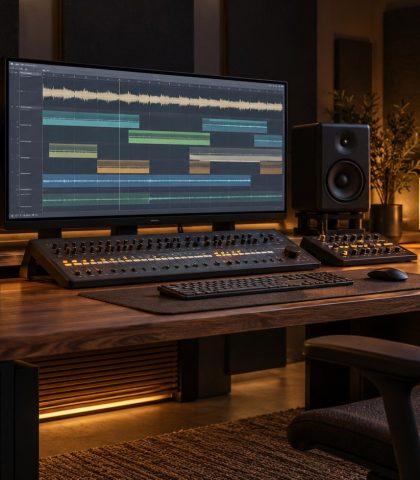
After the session, the raw audio goes to the audio post-production studio. The engineer will clean up the tracks using iZotope RX. That software can remove mouth clicks, breath noise, and even sibilance problems. But it is not a magic wand. You cannot fix a bad performance in post. You can only polish a good one. The engineer also balances the levels, adds any necessary compression or EQ, and exports the final files in the format the client needs. WAV and AIFF are the most common deliverables for broadcast. They are uncompressed formats that preserve the full dynamic range of the performance.
Sometimes the voiceover needs to match picture. That is where ADR comes in. ADR stands for automated dialogue replacement, and it is common in film and television. In the commercial world, it is less common but still necessary when the voiceover has to hit specific visual cues. The actor watches the spot on a screen and times their lines to the action. It is harder than it sounds. A quarter-second off and the whole spot feels disjointed.
The Business Side
Commercial voiceover is a business, and like any business, it requires preparation. Actors need a voiceover demo that showcases their range. A good demo is sixty to ninety seconds long. It should include clips of different styles: a warm read, a hard sell, a narration, and maybe a character piece. The demo is the actor's calling card. Casting directors listen to hundreds of demos every week. If the demo does not grab them in the first five seconds, they move on.
Actors also need to understand the market. Radio spots and TV commercials pay differently. National spots pay more than local ones. Union and non-union rates vary. A good agent helps navigate those waters. But even with an agent, the actor needs to be professional. That means showing up on time, being prepared, and being easy to work with. The director who has a good experience will call that actor back.
Common Mistakes and How to Avoid Them
I have seen actors make the same mistakes again and again. Here are the most common ones and how to avoid them:
- Reading the copy without understanding the brand. The actor should research the brand before the session. What is their tone? Who is their audience? The best reads come from understanding the context.
- Ignoring the engineer's level check. The engineer sets the gain for a reason. If the actor moves too far off mic, the level drops and the noise floor rises. Stay in the sweet spot.
- Overacting. Commercial copy is not stage acting. It is intimate. The camera or the listener is close. Too much energy sounds fake. Too little sounds bored. Find the middle.
- Not taking direction well. The director is not the enemy. They are trying to get the best performance. If they ask for another take, it is not a criticism. It is collaboration.
- Neglecting the voiceover demo. The demo should be current. If it sounds dated or if the actor's voice has changed, update it. A stale demo wastes everyone's time.
The Future of the Craft
The technology around commercial voiceover keeps evolving. Source-connect and similar platforms have made remote recording standard. More actors are building home studios with good acoustic treatment and quality microphones. That opens up opportunities for talent who do not live in Los Angeles or New York. But it also means more competition. The bar for audio quality is higher than ever. A home studio recording needs to sound as clean as a professional booth. That means investing in room treatment, a proper interface, and a microphone like the Sennheiser MKH 416 or the Neumann U87.
I also see more demand for diverse voices. Brands want to sound authentic, and that means casting actors who reflect the audience. That is a good thing. The industry is slowly moving away from the generic announcer voice and toward real, conversational reads. The best commercial voiceover work sounds like a person talking to a friend, not like a person reading a script.
At the end of the day, the goal is the same. Communicate the message clearly and make the listener feel something. That is what keeps me coming back to the studio. Every spot is a new challenge. Every brand has a new story. And every session is a chance to help that story land.